
Where the
self-defence
gets tested.
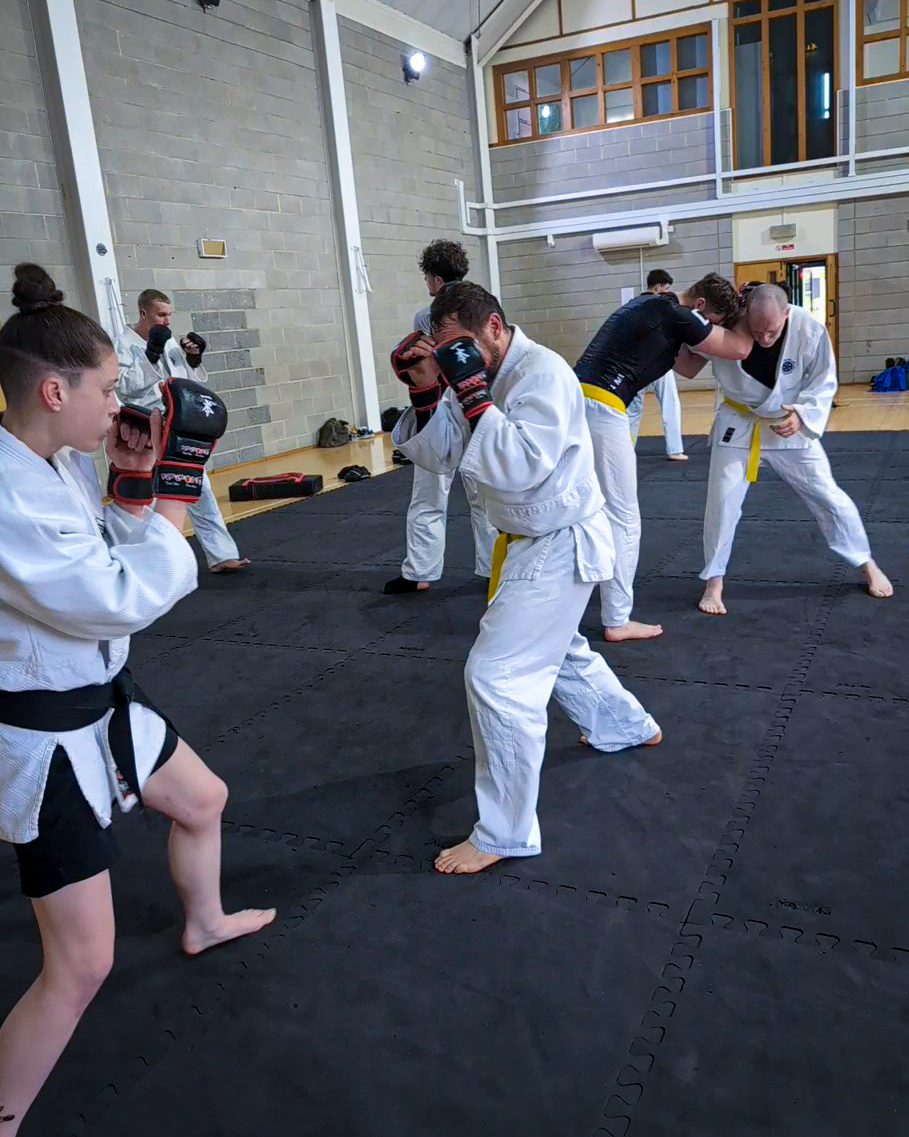
Sparring, randori and rounds in most classes. Three competition formats if you want them. And absolutely no obligation to enter any of them.
Three
formats.
TJK competes across all three, from club level upward. Most members try one, some try all of them, plenty try none.
Kumite
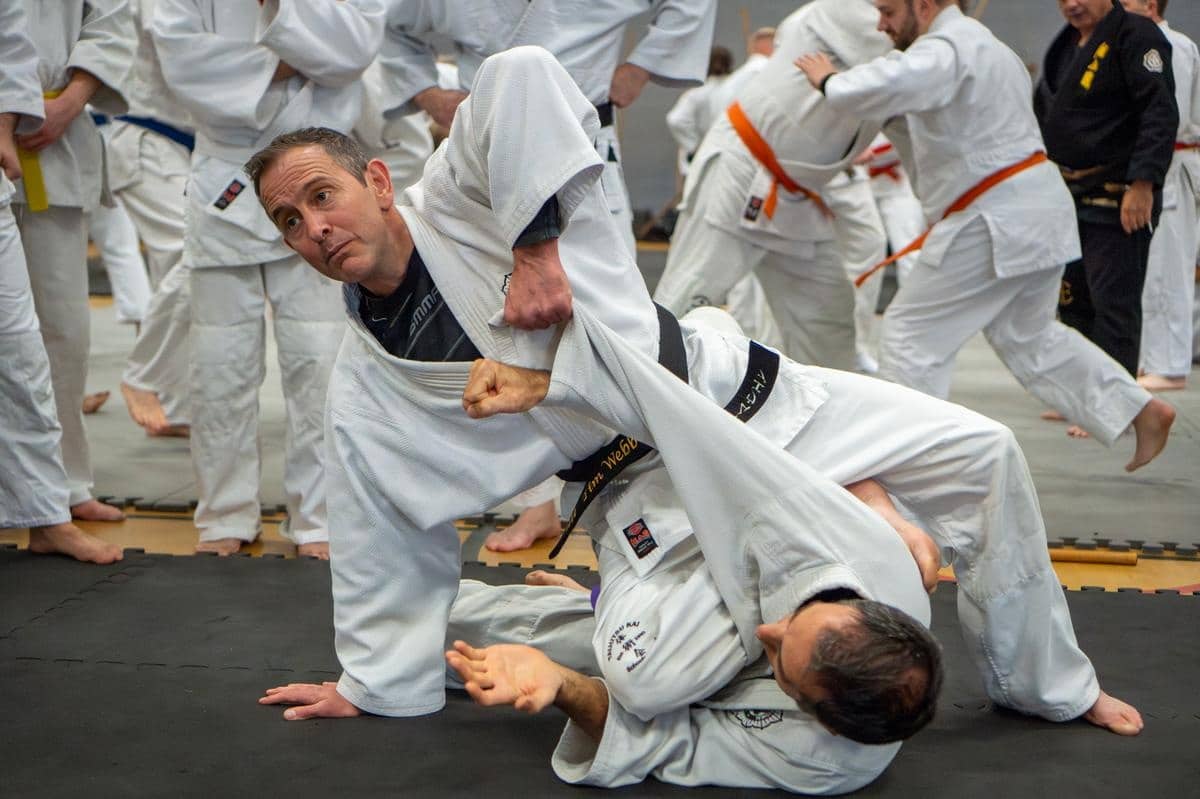
Sport Jujutsu
The traditional competitive format — striking to control, into throws, into ground control and submissions. Three phases in one bout, and the closest thing to the full Jujutsu syllabus under pressure.
Grappling
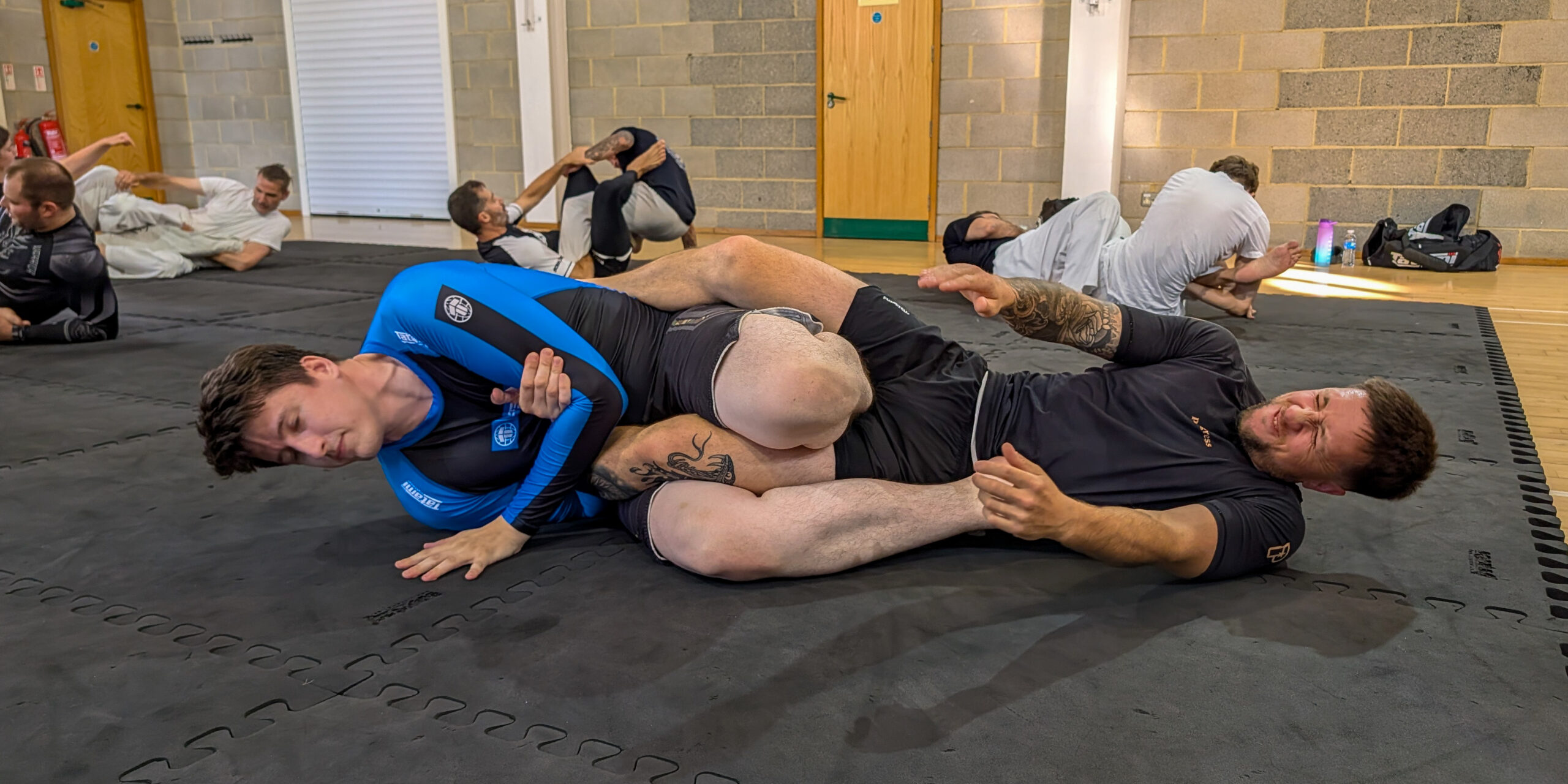
& Submission
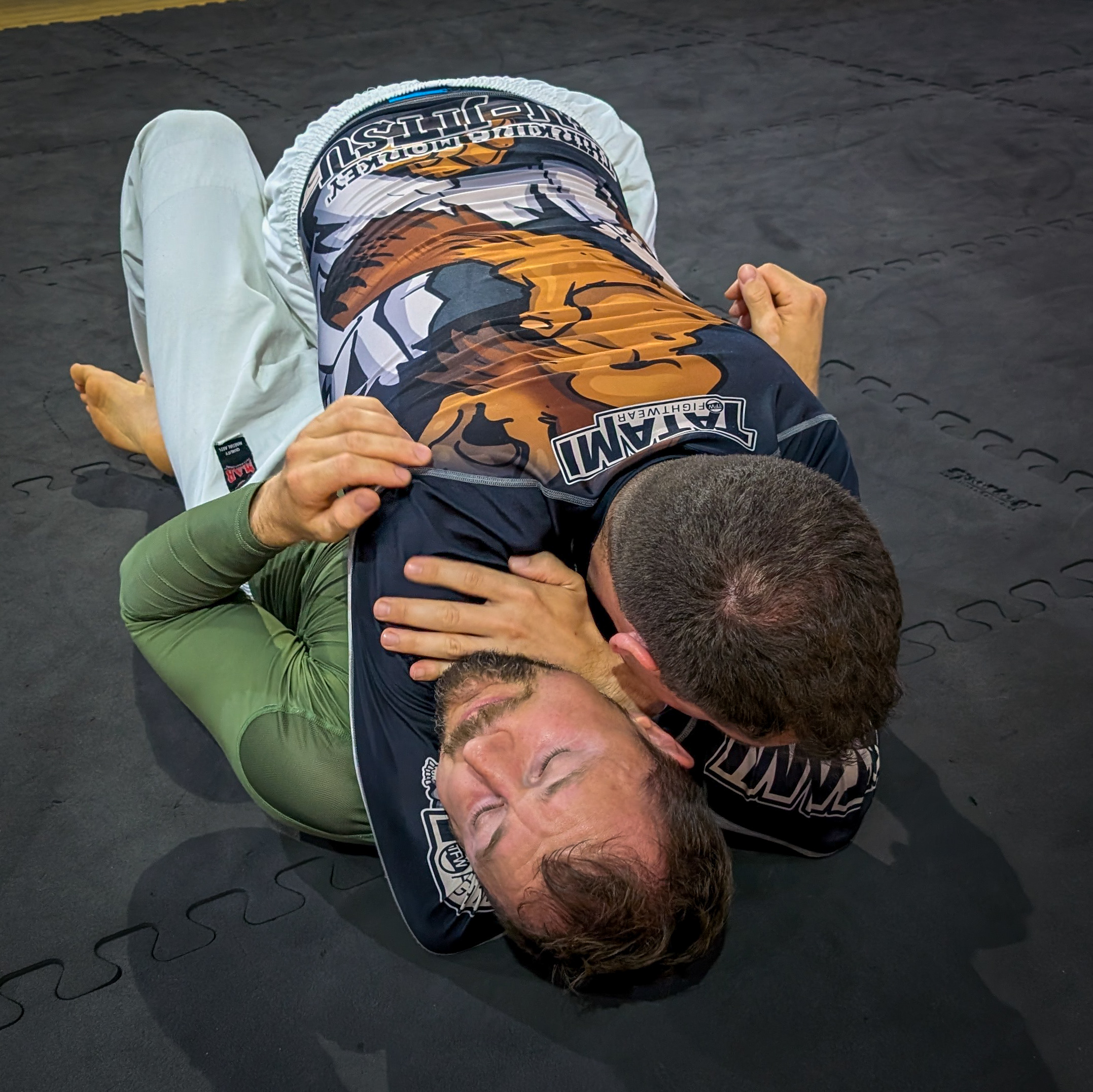
Pure grappling, gi and no-gi, in the same rulesets you'd meet at a BJJ competition. Positional control, sweeps, passes and submissions — the most technical side of the club.
Grapple
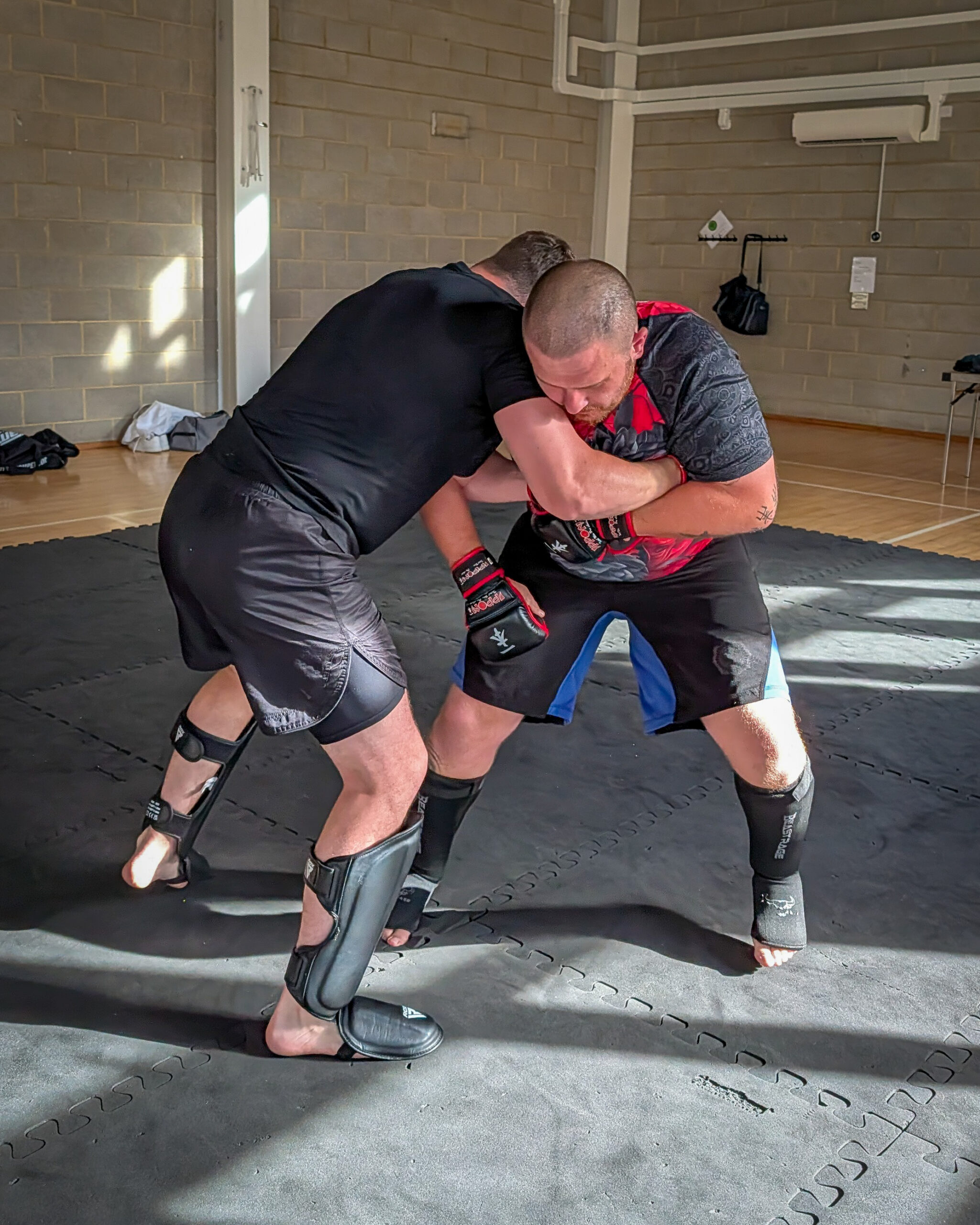
& Strike
Mixed martial arts in all but name — striking and grappling together with controlled contact. The format that most closely resembles an actual confrontation, which is precisely why we train it.
Sport is the
quality control.
A self-defence technique that has only ever been practised on a cooperative partner is a theory. The sport side is how we find out which techniques survive contact with someone who genuinely doesn't want them to work.
That's the loop TJK has run for forty-five years: the self-defence syllabus proposes, the sport training disposes, and what's left is material you can rely on. It's also the reason our self-defence looks different from clubs that never spar.
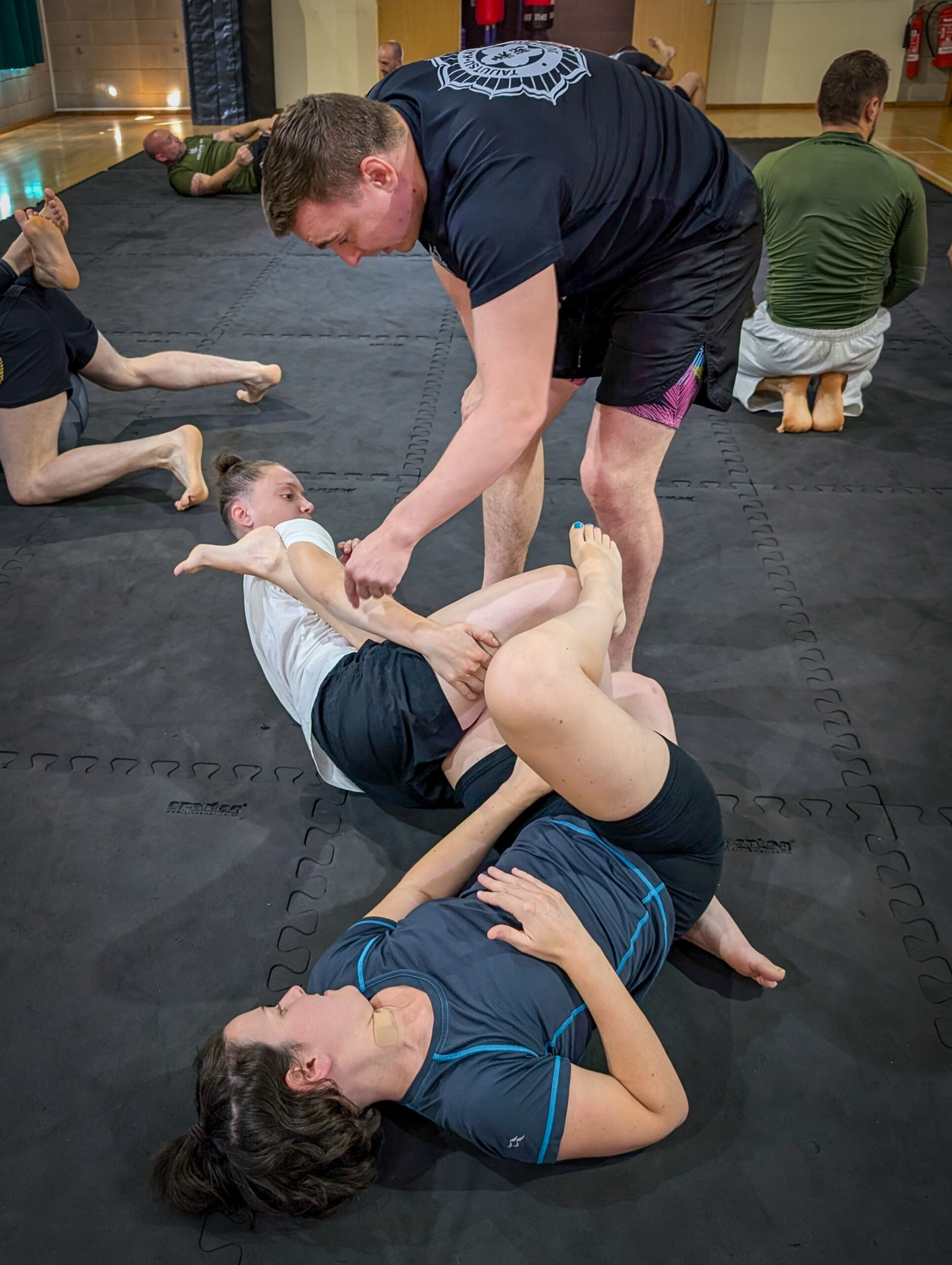
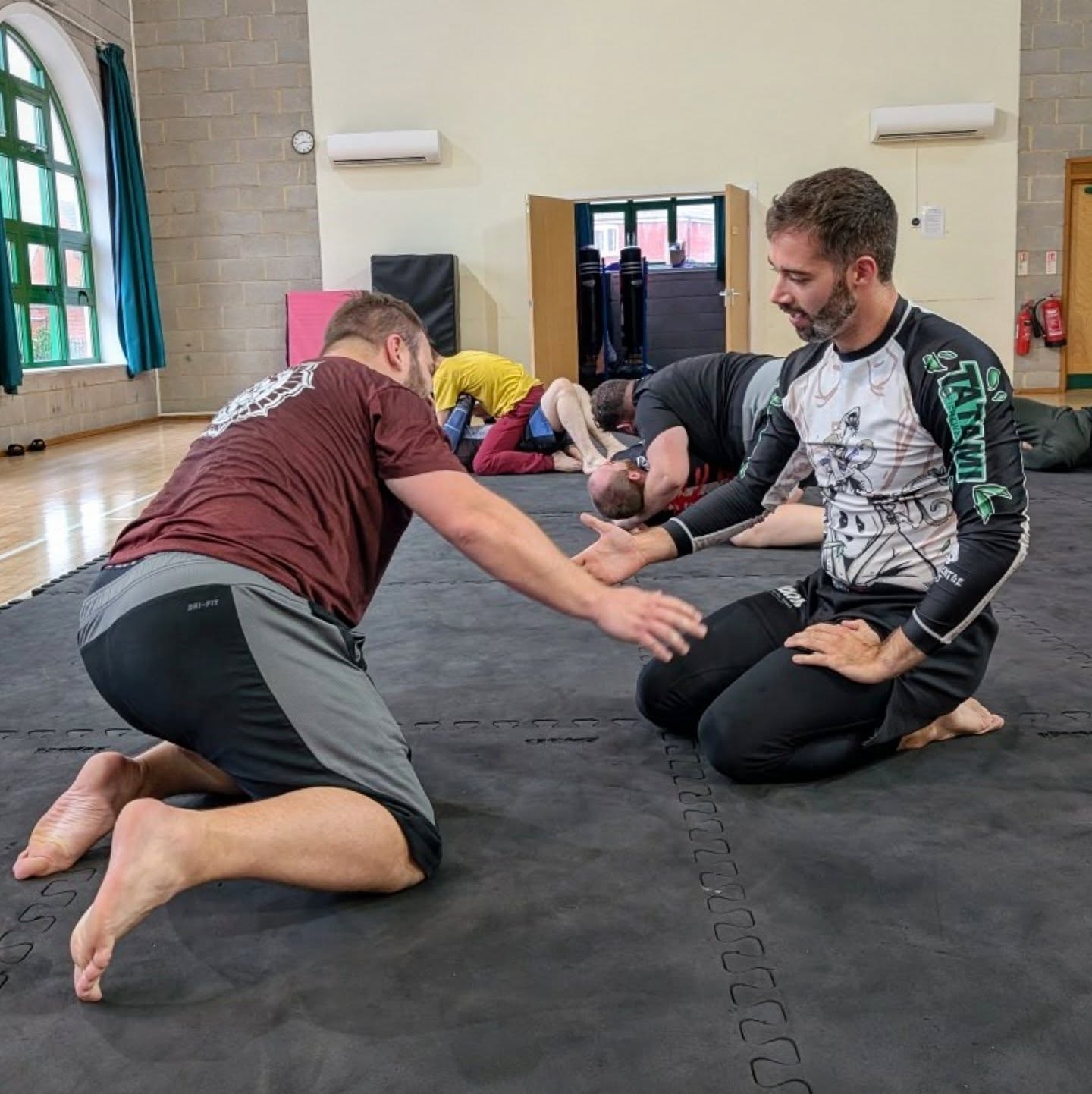
You do not have to be part of it. Sparring is optional in every class, and plenty of members train purely for self-defence and fitness. But it's there when you want it, in a room where people know how to look after each other.
- Sparring and randori in most classes
- Open training on Tuesdays, 8–9pm
- A monthly open mat of pure rounds, Gi and No-Gi
- Competitions at club, association and open level
- Always optional, always supervised
Coming from
another art?
Plenty of our members have. Here's roughly where you'll land.
From BJJ
Your ground game will be ahead of most of the room. The throws, the striking and the self-defence scenarios will be new, and the standing phase is where you'll spend your first few months.
From Judo
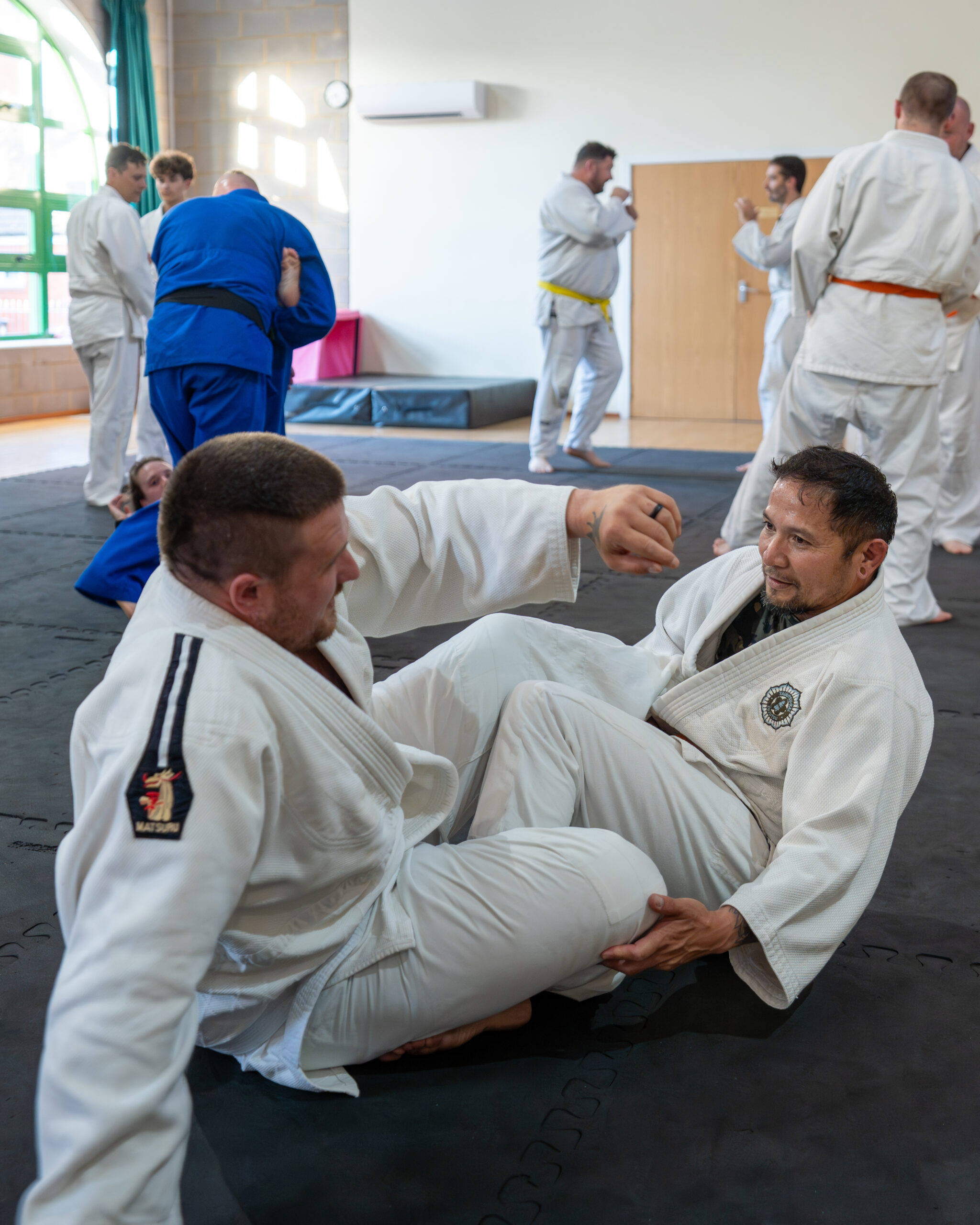
You'll be at home in the throws and the gi work immediately. Expect to add striking, the submission range beyond shime and kansetsu, and the practical self-defence material.
From karate or kickboxing
Your striking transfers directly. The grappling — throws, ground control, submissions — will be the steep part, and it's the half most striking arts leave out.
From MMA
You'll recognise most of the sport side. What's different is the traditional syllabus, the grading structure and the reality-based self-defence material that sits outside the ruleset.